

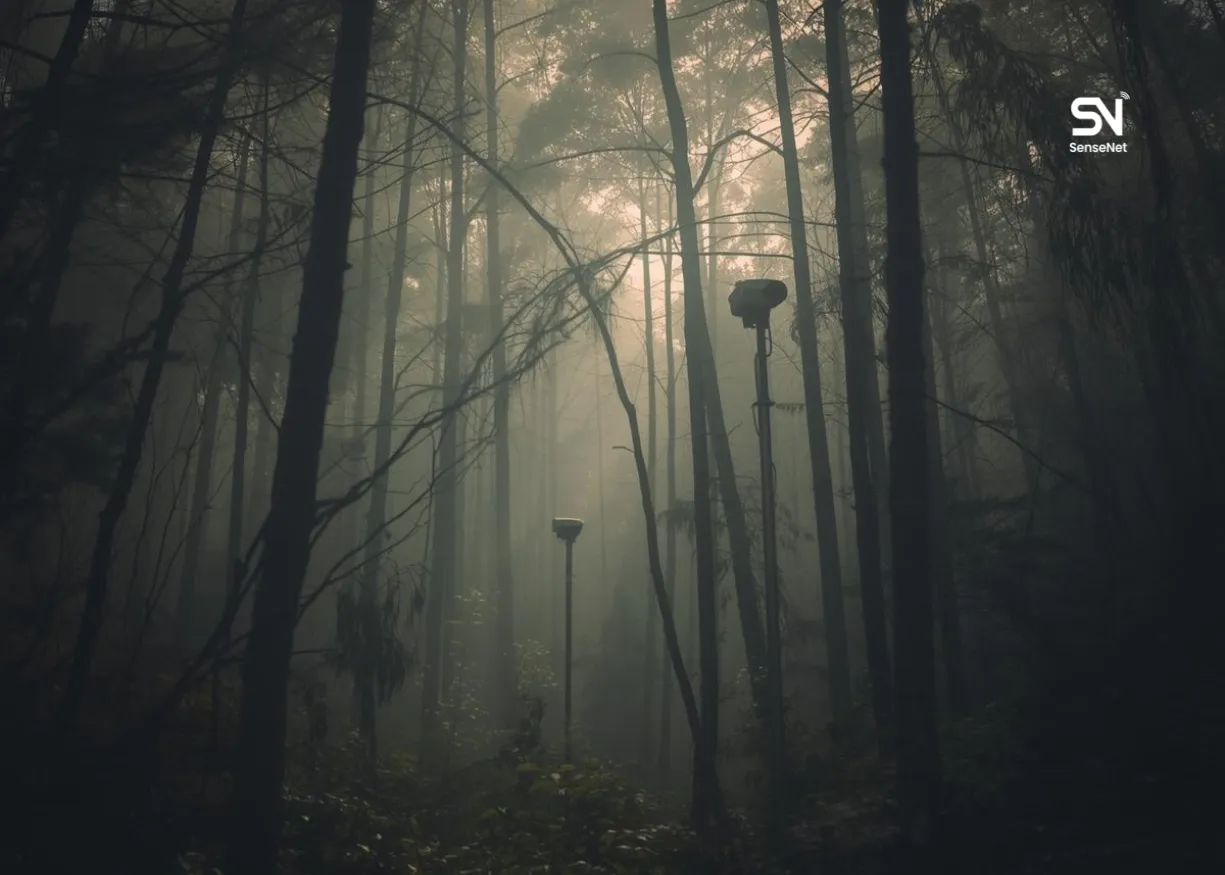
When artificial intelligence (AI) seriously entered the market and became accessible to the public, many people were concerned that AI would soon replace humans in various jobs. Few considered how this tool could save lives and protect property. One of the most important benefits of AI is its use in early wildfire detection systems. As climate change has intensified and many wildfires are caused by it, the need for early detection systems has become more critical. Technologies like AI-powered wildfire detection cameras are used to prevent major disasters. But how familiar are you with these cameras?
SenseNet, one of the leading providers of early wildfire detection systems, installs cameras deep in forests to detect even the smallest traces of smoke and deliver real-time data to relevant authorities. Let’s take a closer look at how these cameras work.
In recent years, climate change and drought have turned wildfires into a global crisis. But modern technologies, especially artificial intelligence (AI) have stepped in to offer smart solutions for preventing these disasters. One of the most effective tools in this field is the AI Wildfire Detection Camera.
What Is an AI Wildfire Detection Camera?
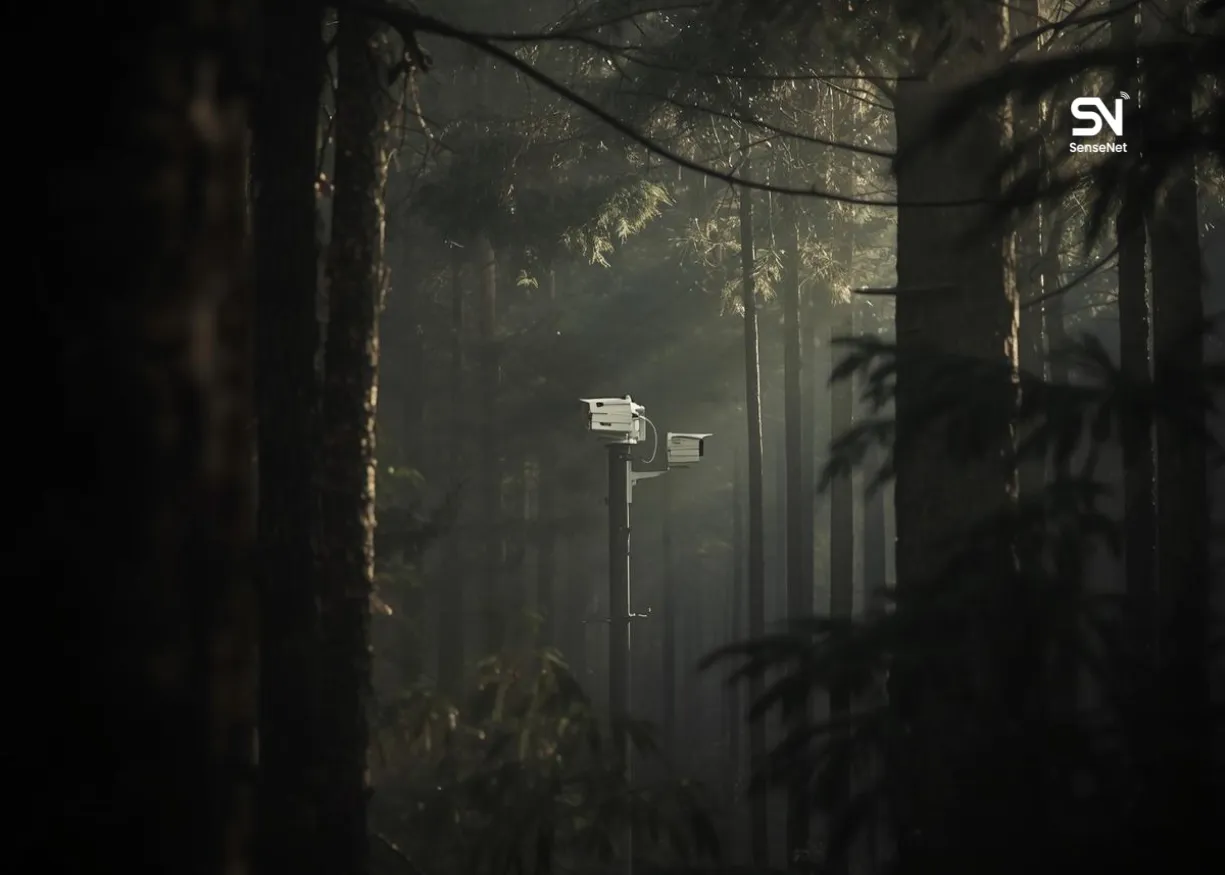
These cameras are advanced imaging systems that use computer vision and deep learning algorithms to automatically detect smoke, flames, or abnormal changes in temperature and color in the environment. Instead of relying on humans to monitor hundreds of hectares of forest, these cameras operate 24/7 without error and send immediate alerts when early signs of fire are detected. This helps prevent large-scale wildfires with irreversible consequences.
How Do AI Wildfire Detection Cameras Work?
A common question is: how do these cameras actually function? Are they always on, constantly transmitting images and data? Here’s how they operate:
- Cameras capture live images of the environment.
- AI algorithms analyze the images for signs of smoke or flames.
- If danger is detected, the system immediately sends an alert to the control center.
- Operators or automated systems can quickly respond to extinguish the fire.
This is a collaborative effort that ultimately helps protect the environment and prevent disasters.
Why Are Fire Alarm Monitoring Systems Essential in Forests?
The importance of installing fire alarm monitoring systems in forests cannot be overstated. Beyond the obvious need to protect trees and wildlife, these systems provide several critical benefits:
- Reduced Reaction Time
One of the most significant advantages of fire alarm monitoring is the rapid notification of forest fires. Traditionally, fire detection relied on human reporting, which often resulted in delayed responses and widespread damage. Modern monitoring systems detect fire hazards in seconds, enabling emergency teams to respond before the fire spreads. - Protection of Ecosystems
Early detection preserves the integrity of forests by minimizing damage to plants, trees, and wildlife. This ensures healthier ecosystems and reduces long-term environmental consequences caused by uncontrolled fires. - Reduced Risk to Human Life
When fire alarm monitoring systems operate efficiently, forest rangers, local communities, and emergency responders can act safely and effectively. This decreases the likelihood of human casualties and ensures safer working conditions for firefighting personnel. - Collection of Environmental Data
Fire alarm monitoring systems also collect essential environmental information, including temperature, humidity, wind conditions, and other data. This information is invaluable for predicting future fire risks and aiding researchers in environmental conservation efforts.
AI Cameras vs. Traditional Fire Detection Methods
Many people believe that regular cameras or watchtowers are sufficient to detect fires and prevent disasters. However, with today’s advanced systems, relying on outdated methods only increases costs. Here’s a comparison of traditional methods and modern AI wildfire detection cameras:
Feature | AI Fire Detection Camera | Traditional Method (Guard, Watchtower) |
Detection Speed | Less than 30 seconds | Usually several minutes to hours |
Detection Accuracy | Over 95% | Around 70% |
Night Monitoring Capability | Yes (thermal night vision) | No |
Maintenance Cost | Moderate, high efficiency | High |
Automatic Alert | Yes, online | No |

Benefits of Using AI Wildfire Detection Cameras
- Rapid response: Detect fires before they spread
- Wide coverage: Monitor thousands of hectares with just a few cameras
- Reduced human cost: Less need for watch personnel
- High accuracy in all weather conditions: Even in fog or at night
- Alerts via internet, SMS, or crisis management software
Frequently Asked Questions
- Are these cameras only used in forests?
No. They’re also used in factories, warehouses, refineries, and high-risk urban areas. - Do they work without internet?
Yes. Some models use local networks and send alerts to local systems. - Do they require calibration or initial training?
Yes. For higher accuracy, real images from the target environment should be introduced to the system so the AI model can be properly tuned. - How much do AI wildfire detection cameras cost?
Prices vary depending on brand, image resolution, sensor type (optical or thermal), and network features.
Real-World Applications
A common question asked of the SenseNet team is whether these cameras are used elsewhere in the world. The truth is, SenseNet cameras are currently active across the globe. Other countries have also recognized the importance of this issue and installed thousands of cameras worldwide. For example:
- California (USA): Thousands of AI cameras monitor forests, reducing damage by up to 60%
- Australia: Automated detection systems integrated with drones
- Spain and Greece: AI camera networks in mountainous regions for rapid alerts
Key Features to Look for in the Best AI Wildfire Detection Camera
- Minimum 90% detection accuracy
- Ability to operate in high temperatures and harsh environments
- Wireless connectivity (4G/5G)
- Thermal vision capability
- Software upgradeability for algorithm improvements
Conclusion
Using AI-powered wildfire detection cameras is one of the smartest investments in protecting the environment and critical infrastructure. This technology not only speeds up fire response times but can also save lives and preserve millions of hectares of nature